Beginner Guide
Start Reverse: 1999 the right way: learn Afflatus, build your first team, and know what to prioritise in week one.
Reverse: 1999 is a turn-based game where you match same-tier cards to upgrade your Arcanists' incantations. As a beginner, focus on learning the Afflatus counter system, leveling a small core team, and spending resources on characters you actually plan to keep.
Arcanists are the playable characters, rated from 2★ to 6★. You do not need an all-6★ roster to clear early content; a well-built lower-rarity unit that fits your team often outperforms an underleveled high-rarity one.
- Build a small core of a few units rather than spreading resources thin across many.
- Aim for balance: a source of damage, some survivability or healing, and at least one support effect.
- Keep the Afflatus of your team in mind so you can adapt to different enemies (see the Afflatus guide).
- Free and early-access Arcanists given by the story are genuinely usable and worth leveling.
If you're new to Reverse: 1999 and unsure where to put your resources, the safest bet is to follow the current strength rankings and prioritize whoever sits at the top. Arcanists rated S+ are the lowest-risk investment early on, since you won't need to rebuild your roster around them later.
 Brume (S+)
- J (S+)
 Marsha (S+)
 Beryl (S+)
 Enigma (S+)
 Lorentz Butterfly (S+)
 Flutterpage (S+)
 Kiperina (S+)
 Liang Yue (S+)
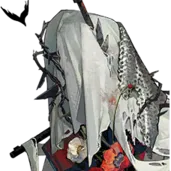 Charon (S+)
 Isolde (S+)
 Nautika (S+)
The good news is these names already come pre-packaged as teams instead of being scattered picks. The Beast Core Team is built exactly from Brume, J, and Marsha — all three S+, so slotting them together works out of the box. Likewise, the Star Core Team pairs Flutterpage, Kiperina, and Liang Yue, another all-S+ trio worth building toward as a second core once your roster allows it.
As a beginner, pour your upgrade materials into the S+ group first, then move down to the S-rated Arcanists once you have some to spare. Following the tier list takes the guesswork out of who's worth building.
Every Arcanist and enemy belongs to one of six Afflatus: Beast, Plant, Star, Mineral, Spirit, and Intellect. These form two counter triangles that decide when you deal extra damage.
- Beast beats Plant, Plant beats Star, and Star beats Beast.
- Mineral beats Spirit, Spirit beats Intellect, and Intellect beats Mineral.
- Attacking an enemy whose Afflatus you counter increases your damage, so matching your team to the enemy matters.
- You do not have to memorise everything at once; the battle screen highlights advantage, and the dedicated Afflatus guide breaks the wheel down fully.
Your first week is about laying foundations rather than chasing everything. Progress the main story to unlock features, and pace your resources.
- Push the main story steadily; it unlocks systems, materials, and additional Arcanists.
- Spend Insight (ascension) and leveling materials on your core team only, not on units you will bench.
- Complete daily and beginner tasks for steady resource income.
- Save your premium currency early rather than pulling on impulse until you understand which Arcanists you want.
- Do not over-invest in Resonance or Psychubes on temporary units.
Do I need to reroll before starting?
Rerolling is optional. Reverse: 1999 is generous enough early on that most players can clear starting content with story-provided and lower-rarity Arcanists. If you want a strong opening unit, see the reroll guide.
How many Arcanists should I level at first?
Focus on a small core team rather than leveling many units at once. Concentrating materials gets that team strong enough to clear content, and you can broaden your roster later.
Is rarity all that matters?
No. Team composition, Afflatus matchups, and investment level often matter more than raw star rating. A properly built lower-rarity Arcanist can outperform a neglected high-rarity one.